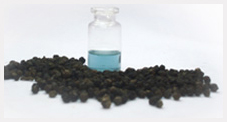



 Commiphora Mukul Dry Herb(Guggul Gum)
 Commiphora Mukul Herb Extracts (Guggul Gum) has been used for a long time in Ayurvedic medicine to treat obesity and other weight related problems.Today, Guggul is frequently used to help lower cholesterol levels and decrease high blood pressure.
Gum Guggul is also known by the names Guggul, Indian Bedellium, and Guggulow. Guggul, the sticky gum resin from the mukul myrrh tree, plays a major role in the traditional herbal medicine of India. The primary chemical constituents of Guggul include phytosterols, gugulipids, and guggulsterones. It was traditionally combined with other herbs for the treatment of arthritis, skin diseases, pains in the nervous system, obesity, digestive problems, infections in the mouth, and menstrual problems. In the early 1960s, Indian researchers discovered an ancient Sanskrit medical text that appears to clearly describe the symptoms and treatment of high cholesterol. One of the main recommendations was the use of Guggul
Commiphora Mukul Dry USESSeveral research trials followed the discovery, culminating in studies examining Guggul's effectiveness in humans.
• Guggul helps reduce high cholesterol, because it lowers harmful low-density lipoproteins while elevating
the beneficial high-density lipoproteins. It helps prevent blood platelet aggregation and breaks up already
formed blood clots. Thus, it helps prevent heart disease and stroke.
• Guggul is also widely promoted as a weight loss agent that supposedly enhances thyroid function.
• Guggul lipid stimulates the activity of white blood cells in the body, contributing to the build-up of the
immune system. Guggul lipid also helps eliminate and expel dead tissues, wastes, and toxins from
the body.
• Guggul lipid may also be used to treat arthritis and reduce inflammation of the joints.
• A small controlled trial compared oral gugulipid against tetracycline for the treatment of acne, and
reported equivalent results.